


Top 7 Beautiful Temples And Pagodas In Hanoi Must Visit
The temples and pagodas in Hanoi are a rich tapestry of historical, cultural, and spiritual significance. The article highlights the rich array of temples and pagodas with top 7 beautiful temples and pagodas in Hanoi to explore these serene and culturally immersive landmarks.


Hi, I’m Ella. Through my travels across Southeast Asia, I aim to guide you to the most inspiring places, share the stories behind each destination, and offer insights that help you make each adventure both meaningful and unforgettable.
Hanoi is adorned with a rich array of temples and pagodas, each holding its own historical, cultural and spiritual significance. From the iconic Temple of Literature, honoring scholars, to the serene Tran Quoc Pagoda overlooking West Lake, each site encapsulates Vietnam's rich cultural and religious tapestry. Discover the tranquility of One Pillar Pagoda, marvel at the ancient architecture of Quan Thanh Temple, or find solace at Ngoc Son Temple by Hoan Kiem Lake.
Immerse yourself in centuries-old traditions, intricate designs, and peaceful sanctuaries amidst the vibrant pulse of Vietnam's capital city. Let's find out with Hanoi Voyages to discover the top temples and pagodas in Hanoi.
Table of Contents
Top 7 temples and pagodas in Hanoi
Hanoi is a city where centuries-old traditions and spiritual life harmoniously blend with modern living. Scattered across the capital are sacred temples and tranquil pagodas, each carrying stories of history, culture, and faith. If you’re planning a visit, here are the top 7 temples and pagodas in Hanoi that best capture the city’s timeless charm.
Tran Quoc pagoda
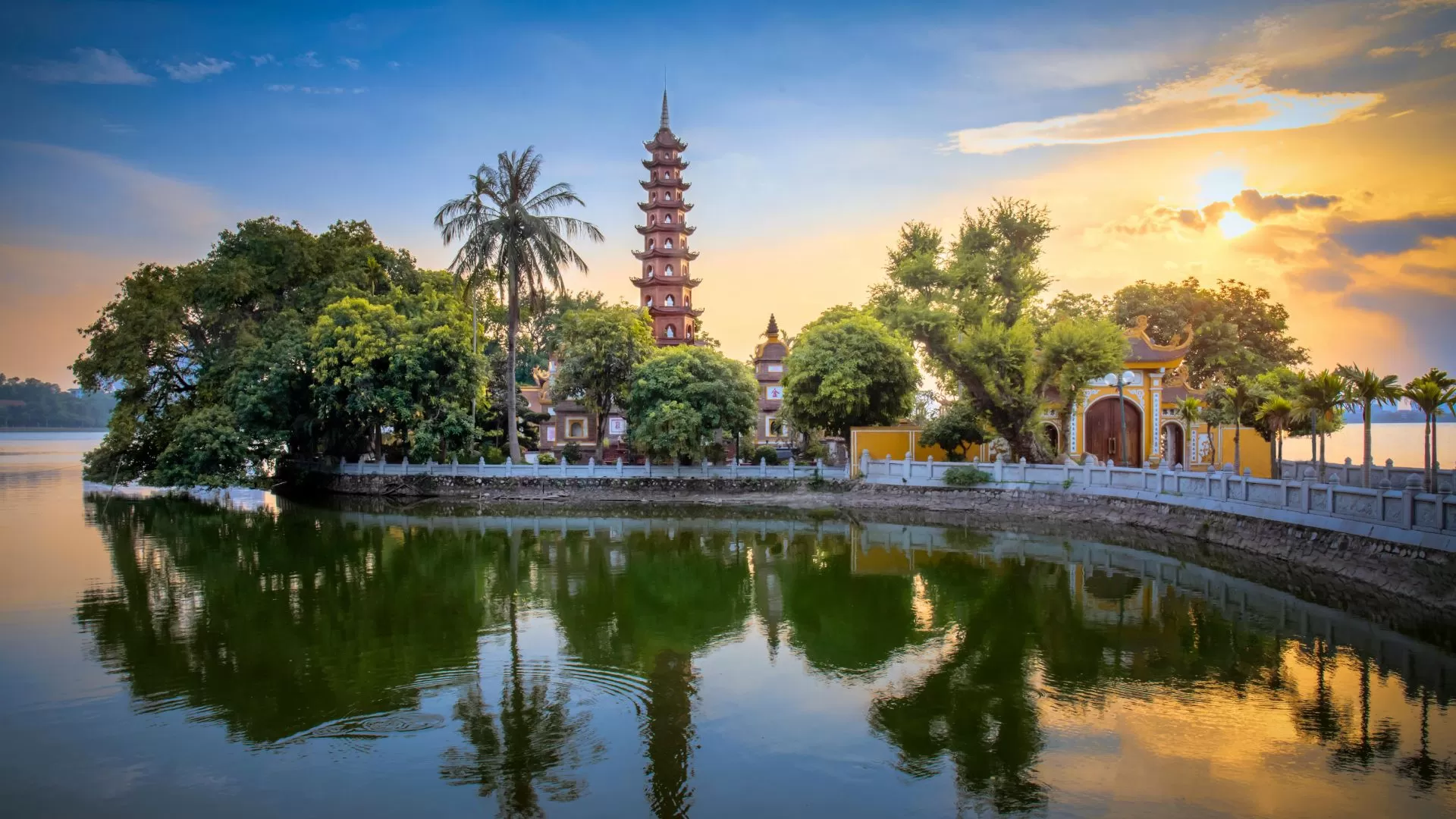
Address: Thanh Nien street, Tay Ho district, Hanoi, Vietnam
Opening hours: 8:00 a.m to 4:00 p.m daily but on special days (1st and 15th of each month): from 6:00 a.m to 8:00 p.m
Entrance fee: Free
With origins tracing back to the reign of Emperor Ly Nam De (544-548), Tran Quoc Pagoda is believed to be the oldest Buddhist temple in Hanoi. This pagoda used to be next to the Red River, but the ground was damaged too much, so it had to be moved to a safer place. It can now be found on an island in West Lake, the largest lake in Hanoi.
The pagoda has a harmonious blend of traditional Vietnamese architectural elements with its iconic stupa tower and intricate designs, showcasing the skillful craftsmanship of the time. In addition, Tran Quoc pagoda houses a collection of valuable relics, including a bodhi tree propagated from the original tree in Bodh Gaya, India, where Buddha attained enlightenment.
You can also read: Visit Tran Quoc pagoda: A must-see historic site in Hanoi
Quan Thanh temple
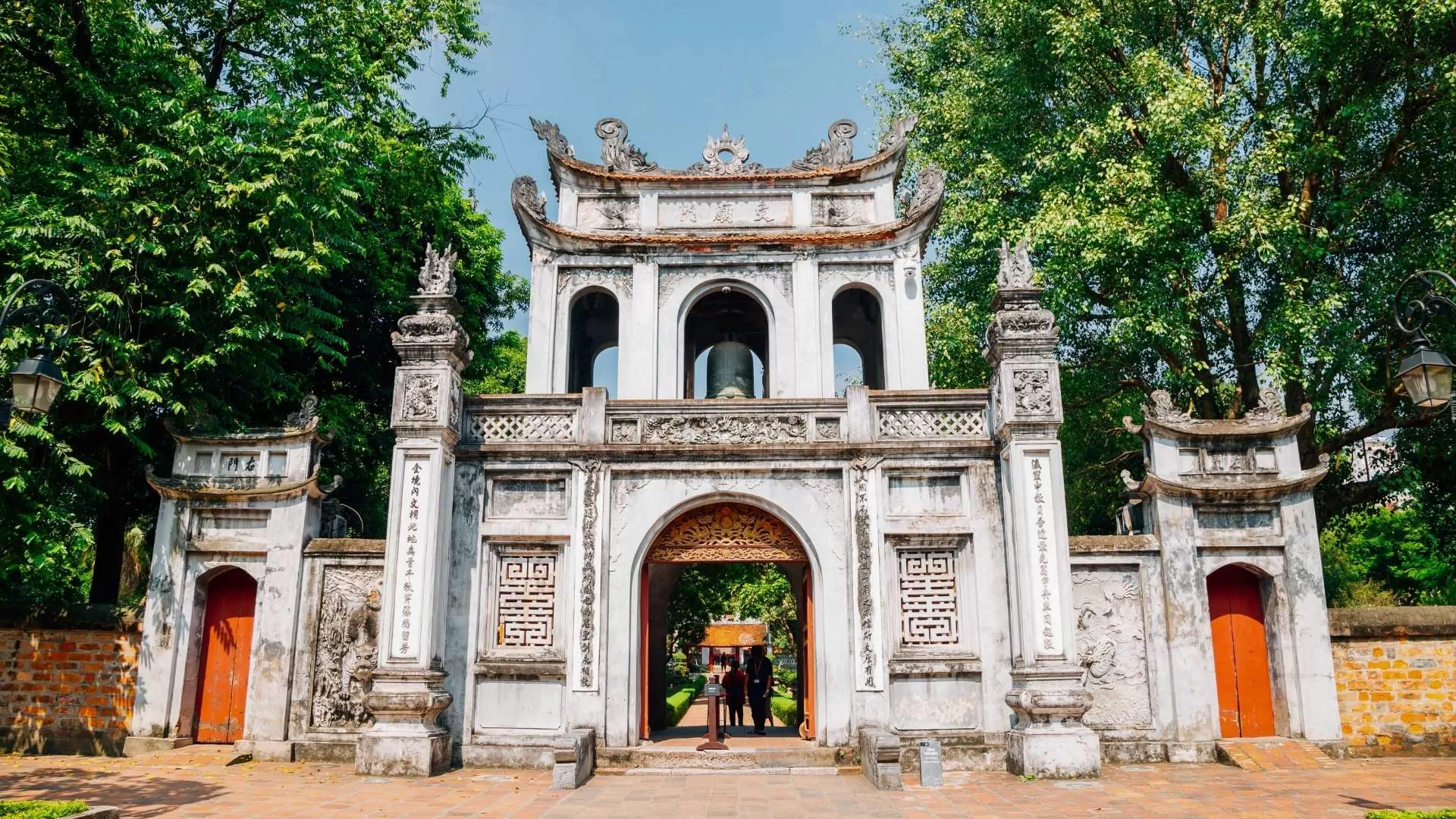
Address: 190 Quan Thanh Street, Quan Thanh, Ba Dinh, Hanoi 118810
Opening hours: 8 AM - 5 PM daily
Entrance fee: 10.000 VND/adult ($0.43), 5.000 VND/children ($0.22)
Quan Thanh Temple, formerly known as Tran Vu Temple, is a Taoist temple in Hanoi. Built during the reign of Emperor Ly Thai To in the 11th century, it is one of the oldest temples and pagodas in Hanoi.
Nestled within the city, Quan Thanh Temple offers a serene escape, surrounded by a peaceful courtyard and shaded by ancient trees, providing a calming ambiance for visitors. The temple has impressive architectural elements, including a prominent black bronze statue of Tran Vu sitting on a throne that weighs around 4 tons and stands over 3 meters tall.
Visiting Quan Thanh temple allow you to appreciate both its architectural splendor and cultural importance. The temple stands as a significant historical and spiritual landmark, inviting visitors to immerse themselves in Vietnam's cultural and religious heritage.
One Pillar pagoda
 |  |
Address: Ong Ich Khiem Street, Ba Dinh District, Hanoi, Vietnam
Opening hours: 7:00 AM – 6:00 PM daily
Entrance fee: 25,000 VND ( $1) per person for foreign visitors
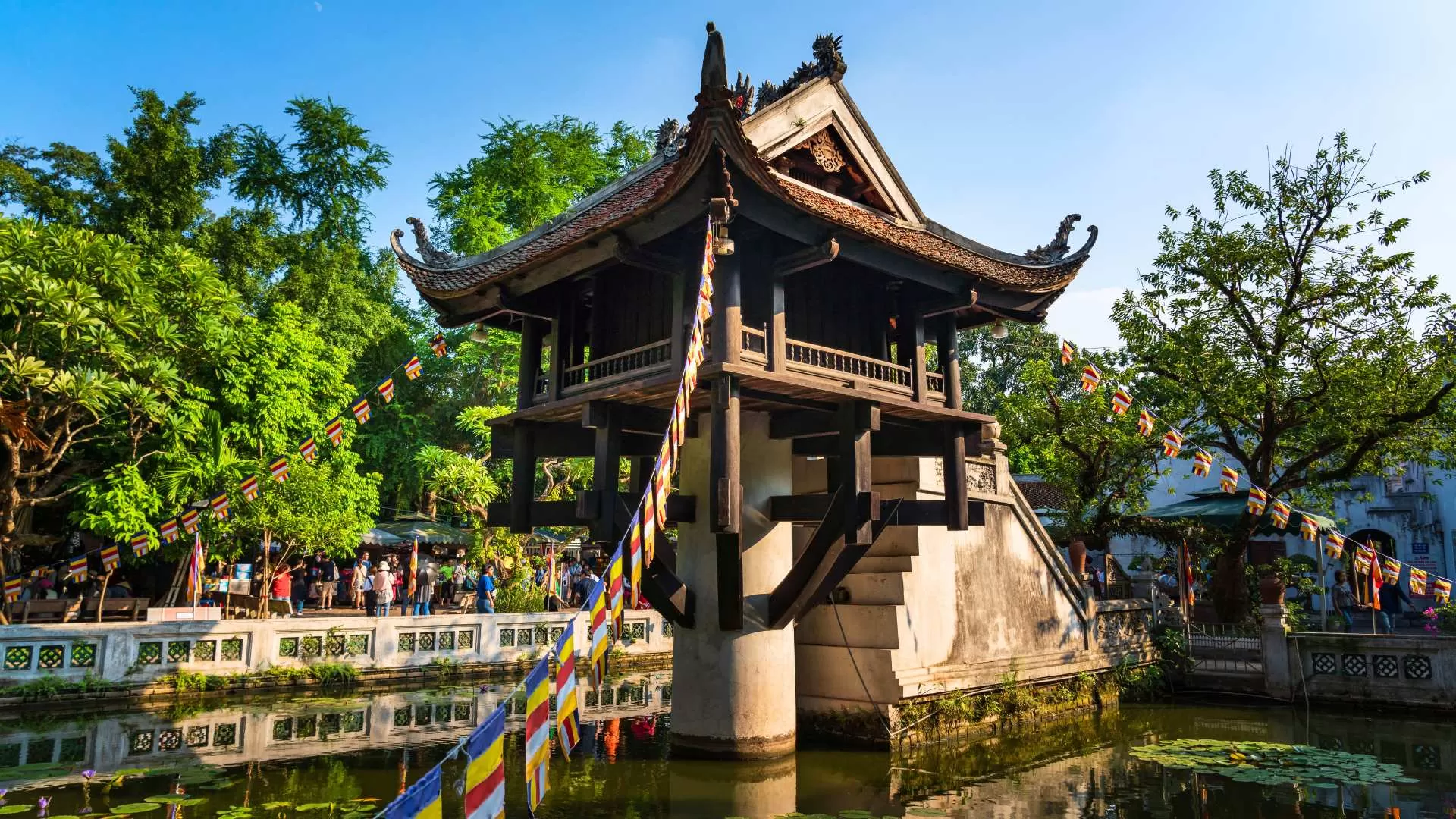
The One Pillar pagoda, also known as 'Chua mot cot' in Vietnamese, is a historic Buddhist temple located in Hanoi, renowned for its unique architectural design and cultural significance.
The pagoda was built in the 11th century during the reign of Emperor Ly Thai Tong and is associated with a legend about the emperor's wish for a son, which led to the construction of the pagoda.
The pagoda has a unique design, with a single pillar rising from a lotus pond. In Buddhist beliefs, this architectural style resembles a lotus flower emerging from water, symbolizing purity and enlightenment. The lotus pond and the structure of the pagoda symbolize the Buddhist concept of enlightenment, embodying purity, strength, and resilience.
Read more information: One Pillar Pagoda in Hanoi: Vietnam’s most unique temple
Temple of literature
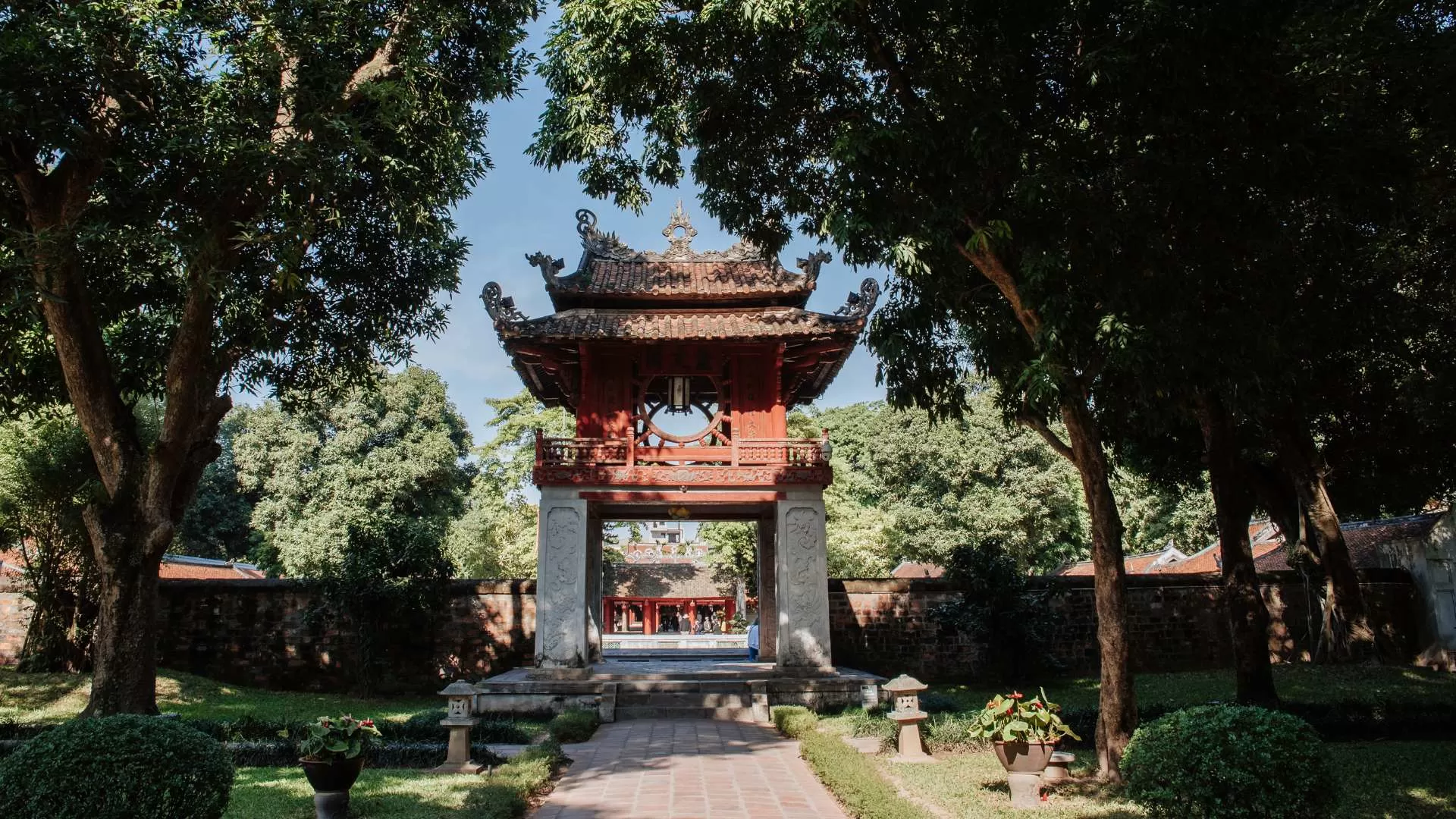
Address: No. 58, Quoc Tu Giam Street, Dong Da District, Hanoi
Opening hours: 8:00 AM – 5:00 PM daily.
Entrance fee: 70,000 VND (~$3).
The temple of literature, known as 'Văn Miếu' in Vietnamese, is a cultural and historical treasure in Hanoi, known for its architectural beauty, educational significance, and cultural heritage.
Founded in 1070 during the reign of Emperor Ly Thanh Tong, it was Vietnam's first national university, dedicated to Confucius and scholars. The temple honored academic achievements and provided education to the country's elite.
The temple complex is built in traditional Vietnamese style, with pavilions, courtyards and serene gardens. The temple of literature is adorned with stelae mounted on stone turtles that bear with the names of scholars who passed the royal examinations, recognizing their academic achievements.
The temple is still a symbol of learning and education in Vietnam, reflecting the country's rich cultural heritage and academic traditions.
You can read more: Temple of Literature Hanoi: A must-visit historical sites
Ngoc Son temple
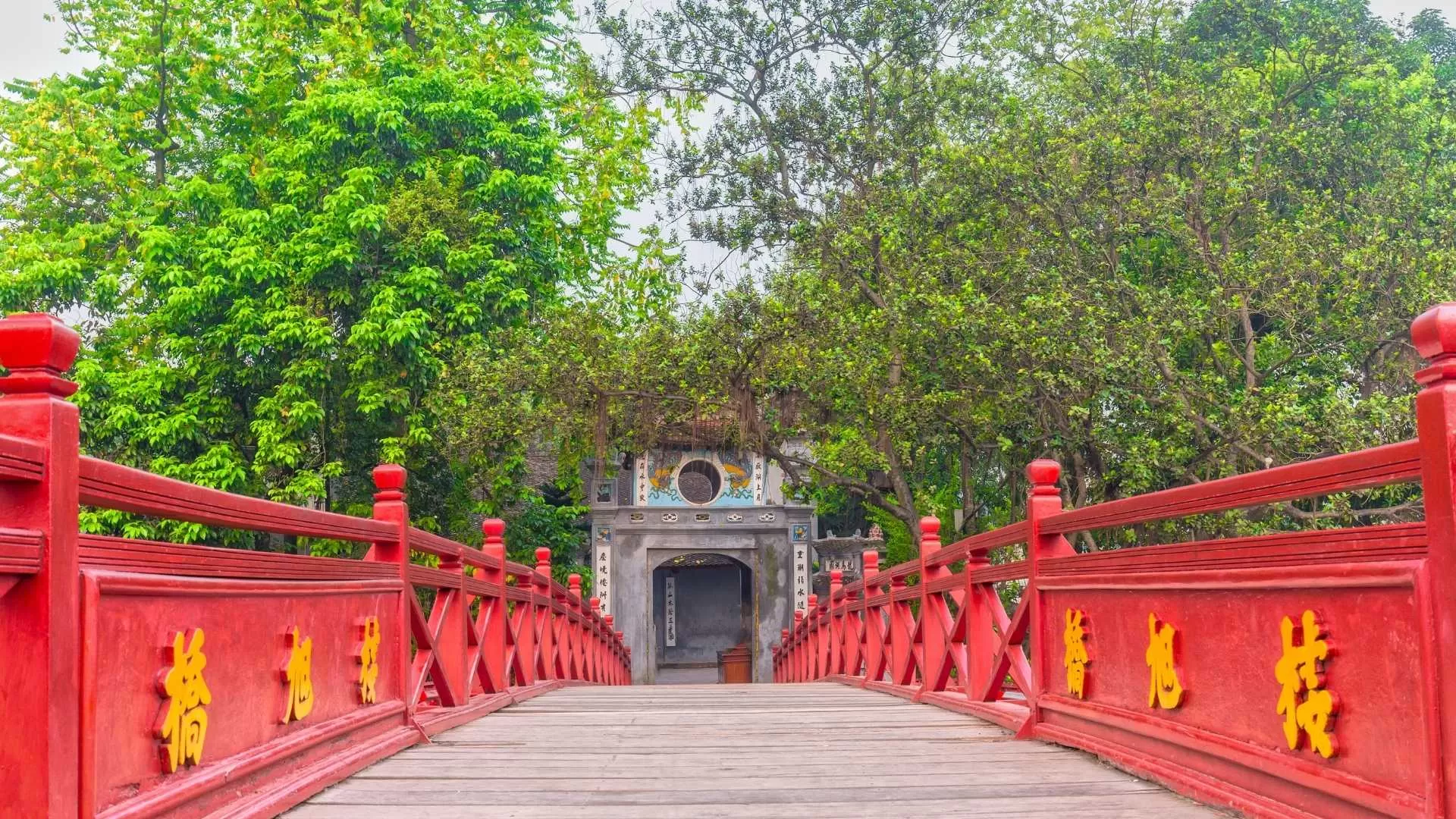
Address: Hoan Kiem Lake, Dinh Tien Hoang Street, Hanoi
Entrance fee: 30,000 VND (~$1.20)
Opening hours:
Monday - Friday: 7:00 a.m - 6:00 p.m
Saturday and Sunday: 7:00 a.m - 9:00 p.m
Ngoc Son temple, situated on a small islet in Hoan Kiem lake, is a picturesque and culturally significant temple in Hanoi.
The Ngoc Son temple is mainly dedicated to folk hero Tran Hung Dao who defeated a huge army of the Mongols and scholar Van Xuong, honoring their contributions to Vietnamese history and culture.
Connected to the mainland by the iconic red-painted Huc Bridge (The Huc), Ngoc Son temple is nestled among the scenic Hoan Kiem lake, creating a serene and captivating setting. Visiting Ngoc Son temple offers not only a chance to appreciate its architectural beauty but also a tranquil escape from the hustle and bustle of the city, providing a serene ambiance for spiritual reflection and cultural immersion in the heart of Hanoi.
Perfume pagoda
 |  |
Address: Huong Son Commune, My Duc District, Hanoi 10000 Vietnam
Opening hour: 8 AM - 5 PM daily
Entrance fee: 120,000 VND (~$4.5) for one-way trips and 180,000 VND (~$7) for round trips
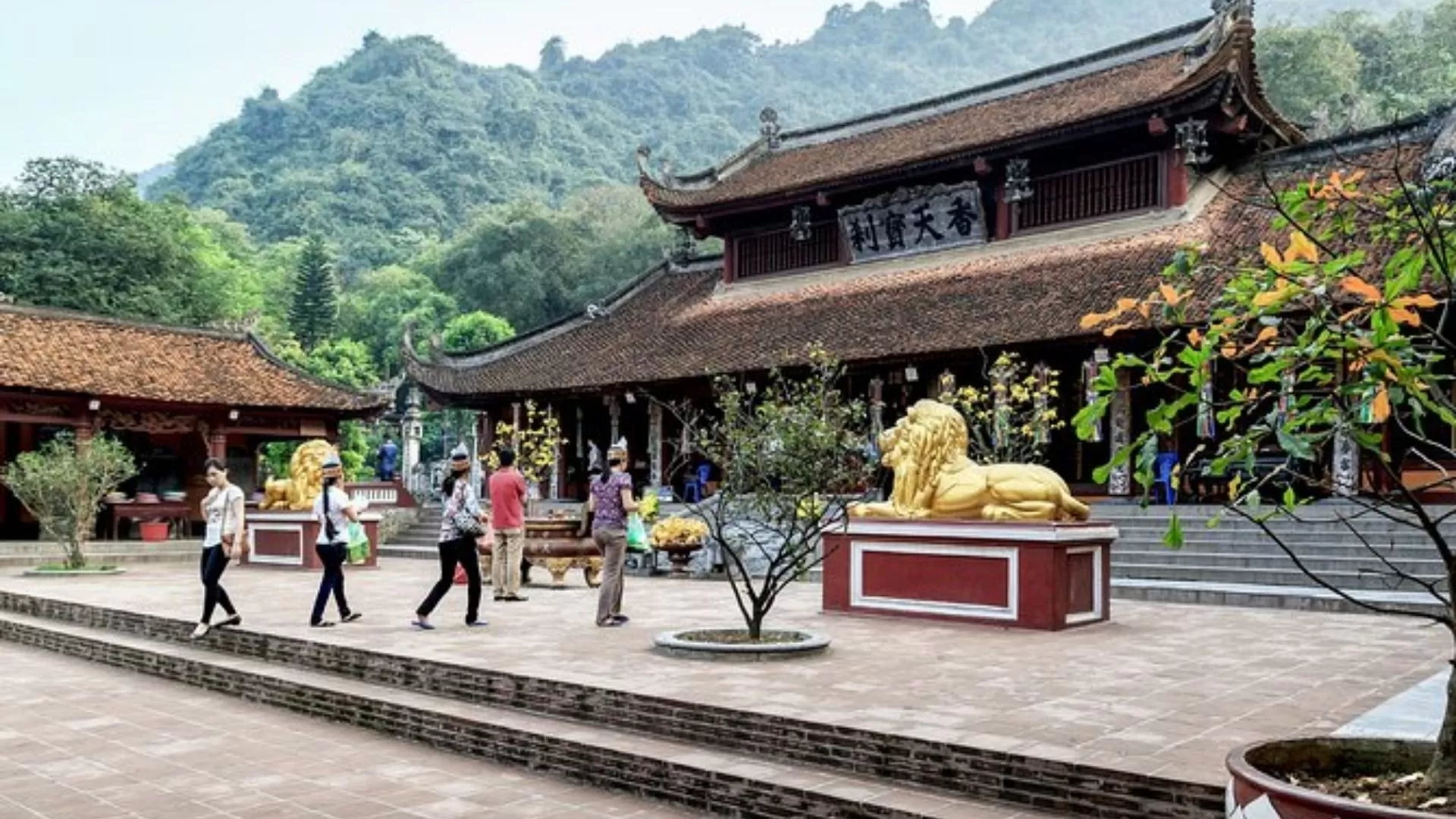
The Perfume pagoda, also known as Chua Huong or Huong pagoda, is a sacred Buddhist site 60 kilometers southwest of Hanoi. Nestled in the Huong Tich mountains, this complex of Buddhist temples is a spiritual and cultural symbol in Vietnam.
Visitors take a scenic boat ride along the Yen river to reach the Perfume pagoda, passing through beautiful landscapes and limestone karsts. The pagoda is a collection of shrines and temples built into mountain caves and grottoes. The main Huong Tich cave houses statues and altars, attracting pilgrims seeking blessings and spiritual fulfillment.
Visitors can participate in religious rituals, explore the architecture of the pagoda, and learn about local culture, especially during Hanoi's busy festival season.
You can also read: Perfume Pagoda: A complete guide for travelers
Ba Da pagoda
Address: Nha Tho Street, Hang Trong, Hoan Kiem, Hanoi
Opening hour: 8 AM - 9 PM daily
Entrance fee: Free
The Ba Da pagoda in Hanoi's Old Quarter is a lesser-known but historically significant Buddhist temple with cultural significance and architectural charm.
Ba Da pagoda dates back centuries and is associated with the Ly and Tran dynasties. Throughout the years, it has been renovated and expanded to preserve its cultural heritage.
Despite its location in the bustling Old Quarter, Ba Da pagoda has a serene atmosphere that provides a peaceful refuge for worshippers, meditation and spiritual contemplation.
Join our tour to discover Hanoi’s most beautiful temples and pagodas, while also experiencing the stunning landscapes, rich culture, and diverse charms that make Vietnam unforgettable.
>>> DON'T WAIT ANYMORE, contact us now <<<
 |  |  |
Luxury, charm, ethnic cultures, rice fields and a cruise exploring Northern Vietnam plus 3 days sailing from Halong to Phu Quoc | Discover UNESCO sites and the stunning Pu Luong Reserve. Enjoy a diverse adventure that's perfect for all ages | Exploring Halong Bay, Phong Nha, the Mekong Delta and more. Experience culture, adventure and breathtaking landscapes! |
What to notice when visiting temples in Hanoi
When exploring Hanoi’s temples and pagodas, it’s important to be respectful of local traditions and spiritual practices.
Here are some notices you should know before visiting temples in Hanoi:
Dress modestly: Wear clothing that covers your shoulders and knees. Avoid shorts, short skirts, or sleeveless tops.
Behave respectfully: Keep your voice low, avoid loud conversations, and do not disturb worshippers during their prayers.
Photography etiquette: Always ask before taking photos, especially inside prayer halls or near altars. Some places may restrict photography.
Remove shoes: Take off your shoes before entering the main worship areas, as a sign of respect.
Offerings and donations: If you wish, you can light incense or make small donations. Place offerings neatly on the altar, not randomly.
Mind your gestures: Do not point directly at sacred statues, and avoid leaning or sitting on altars.
Visit at the right time: Early morning is usually peaceful, while festivals may be more crowded but full of cultural atmosphere.
Exploring the top temples and pagodas in Hanoi is not only a journey into the city’s spiritual life but also a chance to admire its rich history, culture, and timeless beauty. Whether you are drawn by ancient architecture, sacred legends, or the peaceful atmosphere, these sites will make your trip truly unforgettable.
These are the top 7 most beautiful temples and pagodas in Hanoi that you must visit. Contact us to plan an amazing trip to Vietnam!
Dream about your trip to Asia, in private
We are here to make it happen with youFREE QUOTE, WITHOUT OBLIGATION
FEATURED BLOG


RELATED TOURS


.webp)


Read the next

Cai Rang floating market: What to do and see
Planning a trip to the Mekong Delta? Don’t miss Cai Rang Floating Market in Can Tho - a vibrant scene of boats, food and local life. Discover the best time to visit, how to get there, local food and travel tips to enjoy this authentic Vietnamese experience.


Can't find what you're looking for? No problem!!!!
It's not here but we can do it! Tell us what you want! And you will have it.